
Introduction
If your well water leaves orange stains in sinks, tubs, toilets, or laundry, there’s a good chance iron is present in your water.
Iron is one of the most common well water issues we see throughout the Charlotte and Lake Norman region. While it’s usually not considered a health concern at the levels found in residential wells, it can create frustrating problems throughout your home—from stained fixtures and ruined laundry to metallic-tasting drinking water.
The good news is that iron is very treatable once you understand what type of iron is present and how much your water contains.
In this guide, we’ll explain what causes iron in well water, how it’s tested, and the treatment options available to help protect your plumbing, appliances, and home’s appearance.
Why Is There Iron in Well Water?
Unlike municipal water, private wells draw water directly from underground aquifers.
As groundwater moves through rock and soil, it naturally dissolves minerals, including iron.
Some wells contain almost no iron, while neighboring properties may have significantly higher concentrations. That’s why every well is unique and why testing is so important.
Signs You May Have Iron in Your Well Water
Many homeowners notice the symptoms before they ever test their water.
Common signs include:
- Orange or reddish-brown stains in sinks and tubs
- Rust-colored toilet bowls
- Staining on showers and faucets
- Brown staining on white laundry
- Metallic taste in drinking water
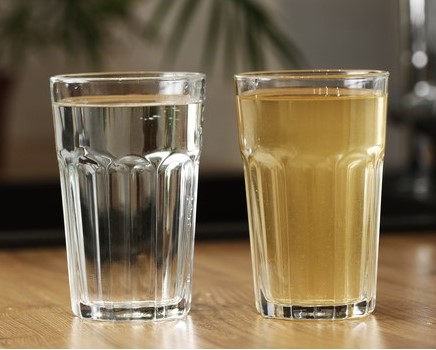
- Discolored water after sitting overnight
- Clogged plumbing fixtures or appliance screens
As iron builds up inside pipes and fixtures, it can also reduce water flow over time.
Is Iron in Well Water Dangerous?
For most homeowners, iron is considered an aesthetic issue rather than a health concern.
While excessive iron can affect taste, staining, and plumbing performance, it typically does not pose the same health concerns associated with contaminants such as bacteria, nitrates, arsenic, or PFAS.
However, high iron levels can encourage the growth of iron bacteria, which create slimy deposits inside plumbing systems and produce unpleasant odors.
Types of Iron Found in Well Water
Not all iron behaves the same way.
Understanding the type of iron present helps determine the best treatment option.
Ferrous Iron (Clear Water Iron)
This dissolved form of iron is invisible when water first comes from the faucet.
After exposure to oxygen, it oxidizes and turns orange or brown.
This is one of the most common forms found in private wells.
Ferric Iron (Red Water Iron)
Ferric iron has already oxidized before reaching your home.
The water may appear cloudy, yellow, orange, or reddish as it leaves the faucet.
These particles can often be removed through filtration.
Iron Bacteria
Iron bacteria are naturally occurring microorganisms that feed on iron.
They can produce:
- Slime inside plumbing
- Musty or swamp-like odors
- Clogged pipes
- Reduced water flow
Treating iron bacteria usually requires disinfecting the well and selecting an appropriate long-term treatment strategy.
How Much Iron Is Too Much?
Laboratories measure iron in milligrams per liter (mg/L), which is essentially the same as parts per million (ppm).
The U.S. Environmental Protection Agency has established a Secondary Maximum Contaminant Level (SMCL) of 0.3 mg/L for iron. This is based on staining, taste, and appearance—not health.
Many homeowners begin noticing staining at or even below this level, depending on water usage and plumbing fixtures.
How Is Iron Removed from Well Water?
The right treatment depends on:
- Iron concentration
- Type of iron
- Water pH
- Presence of manganese
- Sulfur odors
- Water usage
Common treatment options include:
Air Injection Iron Filters
These systems oxidize dissolved iron using air before filtering it through specialized media.
They’re highly effective for many homes with moderate iron levels.
Oxidizing Media Filters
Specialized filtration media can remove iron while also addressing manganese and hydrogen sulfide in certain applications.
Water Softeners
A water softener may remove small amounts of dissolved iron, but it is generally not designed as the primary treatment for moderate or high iron levels.
Choosing the wrong system can shorten the life of the softener and increase maintenance requirements.
Why Water Testing Matters
Iron treatment is never one-size-fits-all.
A professional water analysis helps determine:
- Iron level
- Iron type
- pH
- Hardness
- Manganese
- Sulfur
- Other water quality concerns
Looking at the entire water profile ensures the recommended treatment addresses the complete problem rather than just one symptom.
Frequently Asked Questions
Can boiling water remove iron?
No. Boiling does not remove dissolved iron and may actually concentrate minerals as water evaporates.
Does reverse osmosis remove iron?
Reverse osmosis can remove small amounts of dissolved iron, but iron should usually be treated before it reaches the RO system to protect the membrane.
Will a water softener remove iron stains?
A softener may help with very low levels of dissolved iron, but it typically won’t solve moderate to severe iron problems or existing staining.
Why do my neighbors have different water?
Private wells draw from different underground conditions, even when homes are close together. Water quality can vary significantly from one property to the next.
Conclusion
Iron is one of the most common well water concerns in North Carolina, but it’s also one of the most treatable.
The key is understanding what’s actually in your water before choosing a treatment system. With proper testing and the right equipment, you can eliminate staining, improve water quality, and help protect your plumbing and appliances for years to come.
If you’re noticing rust-colored stains, metallic-tasting water, or other signs of iron in your well, a comprehensive water test is the best place to start.
If you’re experiencing iron staining or other well water problems in the Charlotte or Lake Norman area, Artisanal Water Solutions is ready to help you understand your water and find the right solution.
Contact Artisanal Water today and get expert guidance for your well water. Call or text (704) 315-6344 or fill out our contact form
