
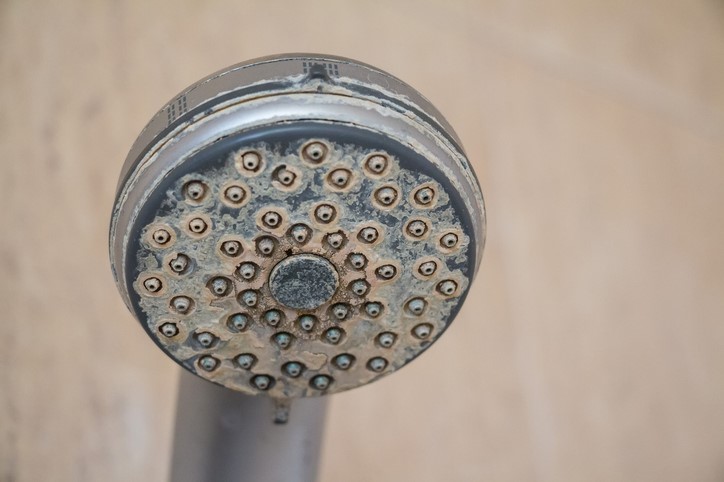
If you rely on a private well in the Charlotte or Lake Norman area, chances are you’ve heard someone mention “hard water.” Maybe you’ve noticed white spots on your dishes, soap that doesn’t lather well, or mineral buildup on your faucets.
These are all common signs of hard water, and they’re issues we frequently see during well water testing throughout Mooresville, Huntersville, Cornelius, Denver, Concord, and the surrounding communitiesThe good news is that hard water is one of the most manageable well water conditions.
While it can shorten the life of plumbing fixtures and appliances, it can also be effectively treated with the right water softening system.
In this guide, we’ll explain what hard water is, how it differs from soft water, and how to determine whether your well water needs treatment.
What Is Hard Water?
Hard water contains elevated levels of dissolved minerals, primarily:
- Calcium
- Magnesium
As groundwater moves through rock and soil underground, it naturally dissolves these minerals before reaching your well.
The more calcium and magnesium your water contains, the “harder” the water becomes.
Hardness is commonly measured in grains per gallon (GPG) or milligrams per liter (mg/L).
Typical hardness levels are:
- 0–1 GPG: Soft
- 1–3.5 GPG: Slightly hard
- 3.5–7 GPG: Moderately hard
- 7–10.5 GPG: Hard
- Over 10.5 GPG: Very hard
Why Is Hard Water Common Around Charlotte and Lake Norman?
Many private wells throughout Iredell, Lincoln, Cabarrus, Rowan, and surrounding counties contain moderate levels of hardness.
The amount varies from one neighborhood—or even one property—to the next because groundwater flows through different underground rock formations.
It’s common for two neighboring homes to have very different water chemistry, which is why professional water testing is so important before selecting any treatment equipment.
Signs You May Have Hard Water
Many homeowners don’t realize their water is hard because the changes happen gradually.
Common signs include:
- White spots on dishes and glassware
- Soap scum on showers and tubs
- Mineral buildup on faucets
- Dry skin after showering
- Hair that feels dull or difficult to rinse
- Soap that doesn’t lather well
- White buildup around showerheads
- Reduced water heater efficiency
If several of these sound familiar, hard water may be affecting your home.
Is Hard Water Bad for Your Health?
This is one of the questions we hear most often.
For most people, hard water is not considered a health concern.
In fact, calcium and magnesium are naturally occurring minerals that many people consume through food and drinking water.
The bigger concern is what hard water does to your home.
Over time, mineral deposits can build up inside plumbing, water heaters, dishwashers, washing machines, and other appliances, reducing efficiency and shortening their lifespan.
What Problems Does Hard Water Cause?
Although hard water is generally safe to drink, it can create several costly household issues.
Hard water commonly causes:
- Scale buildup inside pipes
- Reduced water heater efficiency
- Shorter appliance life
- Soap scum on showers and sinks
- Stiff laundry
- Cloudy glassware
- Higher soap and detergent usage
Many homeowners notice they spend more time cleaning because hard water leaves behind mineral deposits on nearly every surface it touches.
What Is Soft Water?
Soft water contains very little calcium or magnesium.
Naturally soft well water does exist, but many homeowners have soft water because they have installed a water softener.
Soft water typically:
- Produces richer soap lather
- Leaves dishes cleaner
- Helps appliances operate more efficiently
- Reduces scale buildup
- Makes cleaning easier
Some homeowners also notice softer-feeling skin and hair after installing a water softener.
How Does a Water Softener Work?
A water softener removes hardness minerals through a process called ion exchange.
As water passes through a tank filled with specialized resin beads, calcium and magnesium are exchanged for sodium or potassium ions.
The result is softened water that helps protect plumbing and appliances from mineral buildup.
Modern water softeners automatically regenerate the resin using salt, allowing the system to continue treating water efficiently.
Will a Water Softener Remove Iron?
Sometimes—but not always.
Small amounts of dissolved ferrous iron may be removed by certain water softeners.
However, if your well contains moderate or high levels of iron, a dedicated iron filtration system is often recommended before or alongside a water softener.
Because every well is different, proper water testing is essential before selecting treatment equipment.
What We Commonly See During Well Water Testing
At Artisanal Water Solutions, it’s common for us to find well water with moderate hardness throughout the Charlotte and Lake Norman region.
Many homeowners assume white spots on dishes or soap scum are simply normal household nuisances.
In reality, these are often signs that untreated hard water is affecting the entire plumbing system.
We also frequently see hard water occurring alongside:
- Iron
- Manganese
- Low pH
- Sulfur odors
That’s why we recommend testing the complete water profile rather than treating only one problem.
How Do You Know If You Need a Water Softener?
The only reliable way to know is through a comprehensive well water test.
Testing identifies:
- Hardness
- Iron
- Manganese
- pH
- Total Dissolved Solids (TDS)
- Nitrates
- Bacteria
Understanding the complete chemistry of your water allows a treatment system to be properly designed for your home.
Protect Your Home from Hard Water
Hard water may not pose a health risk, but it can quietly reduce the efficiency of your plumbing system and shorten the life of your appliances.
If you have a private well in Charlotte, Lake Norman, Mooresville, Huntersville, Cornelius, Denver, Concord, or the surrounding communities, professional water testing is the best way to determine whether hard water is affecting your home.
At Artisanal Water Solutions, we provide comprehensive well water testing and customized water treatment solutions designed specifically for your home’s water chemistry. Whether you’re noticing scale buildup, cloudy dishes, or simply want to better understand your well water, we’re here to help.
Schedule your professional well water analysis today and learn whether a water softener is the right solution for your home. Call or text (704) 315-6344 or fill out our contact form
